
Hydration at Work: How Water Access Impacts Productivity & Wellbeing
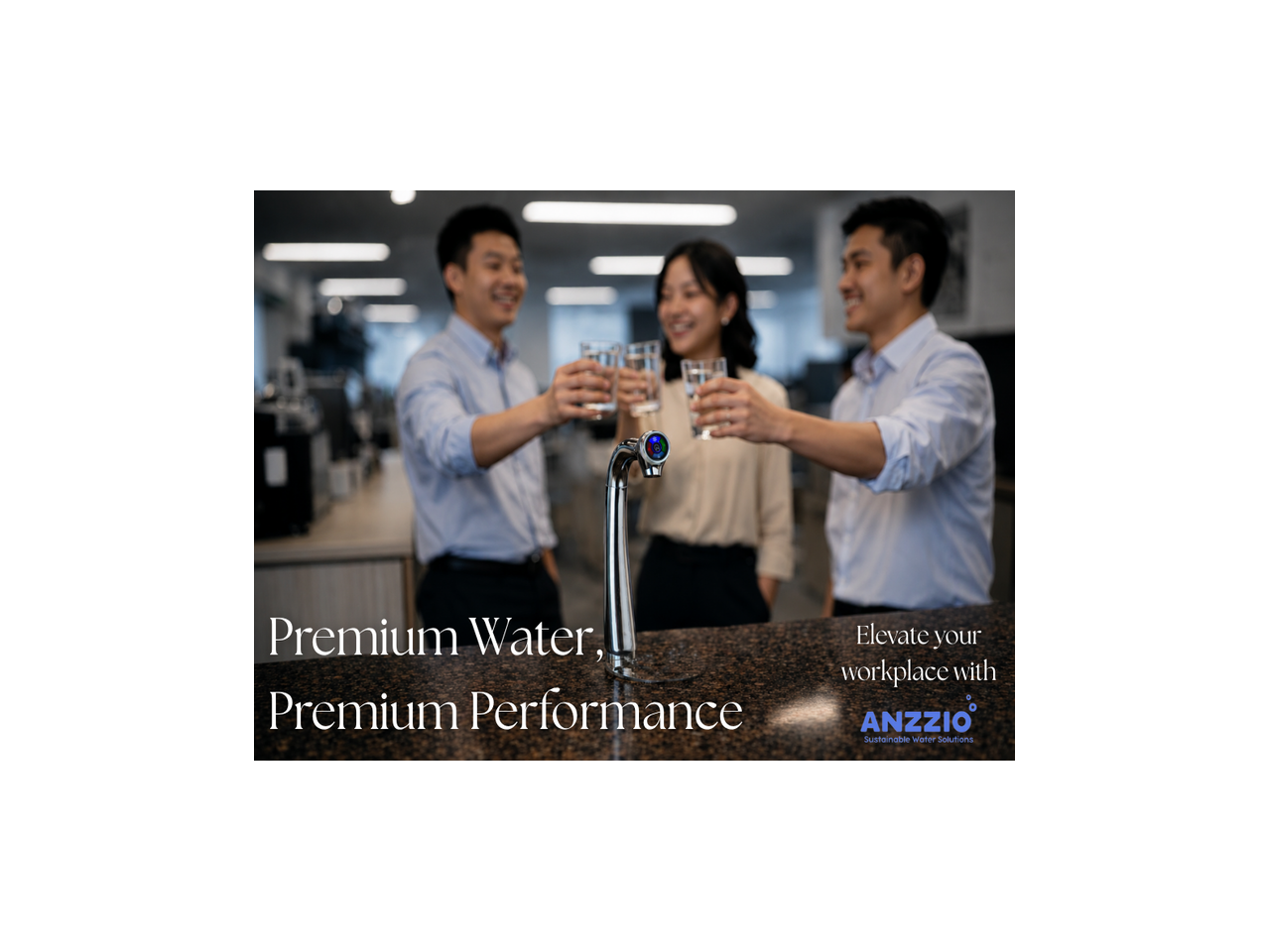
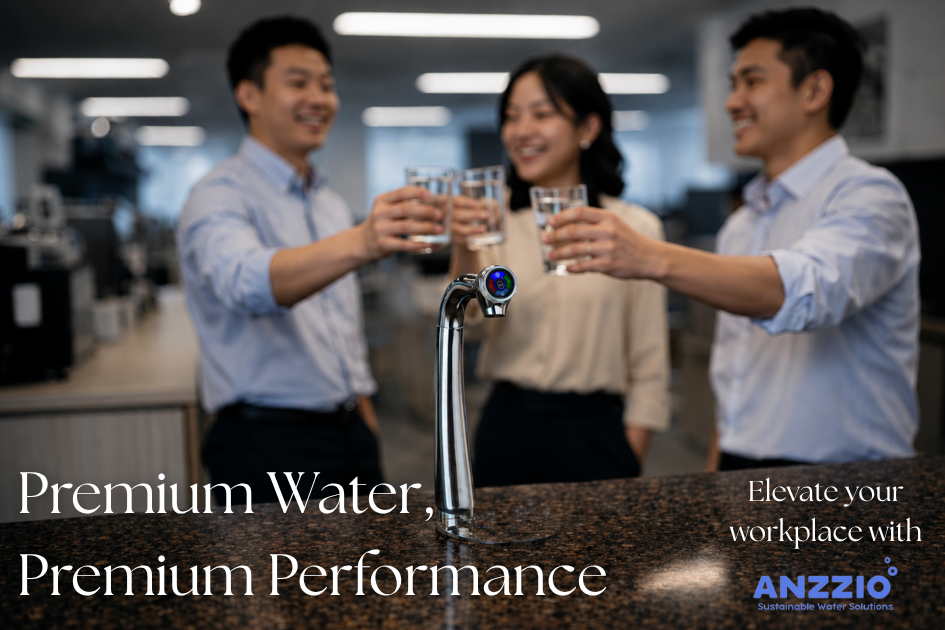
Water is one of the most overlooked factors in creating a productive and healthy workplace. While organisations invest heavily in ergonomic furniture, employee wellness programmes, and modern office spaces, something as simple as easy access to fresh, great-tasting drinking water can have a significant impact on employee performance, wellbeing, and workplace satisfaction.
Whether you're managing a corporate office, healthcare facility, educational institution, or hospitality venue, providing high-quality filtered water is a small investment that delivers lasting benefits for both employees and businesses.
The human body is made up of approximately 60% water, making hydration essential for nearly every bodily function, including temperature regulation, nutrient transport, and cognitive performance (National Academies of Sciences, Engineering, & Medicine [NASEM], 2005).
Even mild dehydration—as little as a 1–2% loss of body water—can negatively affect concentration, alertness, memory, and mood (Popkin et al., 2010). In a workplace environment, these effects may translate into reduced productivity, slower decision-making, and increased fatigue throughout the day.
By ensuring employees have convenient access to fresh, filtered drinking water, organisations can encourage healthier hydration habits and support better workplace performance.
Staying hydrated helps employees perform at their best. Research has found that dehydration can impair attention, working memory, and executive function while increasing feelings of tiredness and reducing motivation (Masento et al., 2014).
When employees have access to refreshing drinking water throughout the day, they are more likely to:
For businesses, these seemingly small improvements can contribute to greater overall productivity and employee engagement.
Employee wellbeing extends beyond physical health—it also includes mental performance, comfort, and workplace satisfaction.
Adequate hydration has been associated with improved moods, reduced headaches, and better overall cognitive function (Masento et al., 2014). Employees who stay hydrated are less likely to experience common symptoms associated with dehydration, such as:
Creating an environment where hydration is easy and accessible demonstrates that an organisation values employee health, helping foster a positive workplace culture.
Employees are more likely to drink water that tastes fresh and clean.
Tap water quality can vary depending on plumbing infrastructure, chlorine levels, and other factors that affect taste and odour. Premium filtration systems remove unwanted impurities while preserving excellent drinking quality, encouraging employees to refill their bottles more frequently.
Modern workplace hydration solutions can also provide multiple water options, including:
Providing a variety of options makes hydration more convenient and enjoyable throughout the working day.
At Anzzio, we believe that better water creates better workplaces.
Our range of premium water dispensers and filtration systems delivers premium, great-tasting filtered water directly from the source, providing convenient access to chilled, ambient, hot, and sparkling water for offices of every size.
Whether you're upgrading your employee pantry, meeting rooms, or communal spaces, Anzzio's workplace hydration solutions are designed to improve employee wellbeing, encourage sustainable practices, and support a healthier, more productive workforce.
Discover how Anzzio can help transform your workplace with reliable, high-quality water solutions tailored to your business needs.
Masento, N. A., Golightly, M., Field, D. T., Butler, L. T., & van Reekum, C. M. (2014). Effects of hydration status on cognitive performance and mood. British Journal of Nutrition, 111(10), 1841–1852.
National Academies of Sciences, Engineering, & Medicine. (2005). Dietary Reference Intakes for Water, Potassium, Sodium, Chloride, and Sulfate. National Academies Press.
Popkin, B. M., D'Anci, K. E., & Rosenberg, I. H. (2010). Water, hydration, and health. Nutrition Reviews, 68(8), 439–458.
Please sign in first.
Sign inCreate a free account to use wishlists.
Sign in